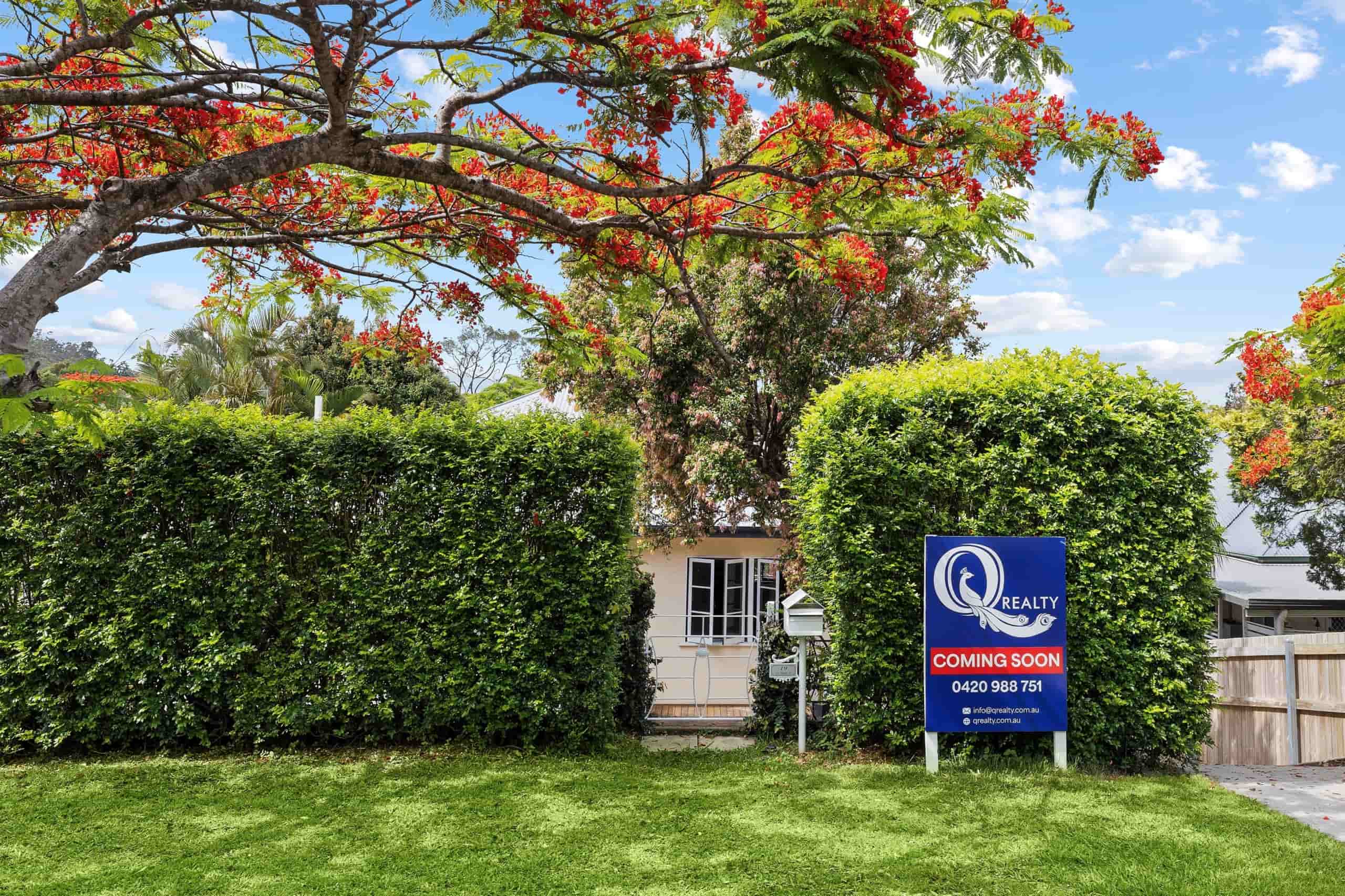

Understanding Queensland’s Minimum Housing Standards and How to Stay Compliant
As a sophisticated investor, keeping your property up to standard is crucial—not just for your tenants’ well-being but also to avoid hefty penalties. Queensland’s rental laws have been updated to ensure that rental properties meet minimum housing standards. Here’s what you need to know about these standards, the penalties for non-compliance, and how you can stay ahead.
What Are the Minimum Housing Standards?
Queensland’s minimum housing standards are designed to ensure rental properties are safe, secure, and livable. These standards cover aspects such as:
- Structural Soundness: The property must be structurally sound and weatherproof.
- Locks and Security: Adequate locks and security measures must be in place.
- Plumbing and Drainage: Plumbing and drainage systems must be functional and compliant with local laws.
- Windows and Ventilation: Windows must be secure and allow for adequate ventilation.
- Lighting and Electrical: Safe and functional lighting and electrical systems are required.
- Vermin and Pest Control: The property must be free from vermin infestations.
- Privacy: Tenants must have adequate privacy.
Penalties for Non-Compliance
Failing to meet these standards can lead to significant penalties, including:
- Fines: Property owners can be fined up to $6,500 for non-compliance.
- Rectification Orders: The Queensland Residential Tenancies Authority (RTA) can issue orders to rectify issues, with additional penalties for non-compliance.
- Legal Action: Tenants may take legal action if the property does not meet minimum standards, potentially leading to compensation claims.
Steps to Ensure Compliance
To avoid penalties and maintain a good relationship with your tenants, here are some proactive steps you can take:
- Regular Inspections: Conduct regular inspections to identify and address issues early.
- Maintenance Plan: Implement a maintenance schedule to keep all systems in working order.
- Professional Assessments: Hire professionals to assess and certify the structural integrity, plumbing, and electrical systems of your property.
- Tenant Communication: Maintain open communication with your tenants to quickly resolve any issues they report.
- Upgrade and Renovate: Invest in necessary upgrades and renovations to meet the standards and enhance property value.
Benefits of Compliance
By meeting the minimum housing standards, you not only avoid penalties but also benefit in several ways:
- Increased Property Value: A well-maintained property is more attractive to potential buyers and tenants.
- Higher Rental Yield: Properties that meet high standards can command higher rents.
- Tenant Satisfaction: Happy tenants are more likely to stay longer, reducing vacancy rates and turnover costs.
- Reputation: A reputation for quality and compliance can attract more sophisticated and reliable tenants.
Conclusion
Staying compliant with Queensland’s minimum housing standards is not just a legal obligation—it’s a smart investment strategy. By taking proactive steps to maintain and improve your property, you can avoid penalties, enhance your property’s value, and ensure tenant satisfaction.